Types of Kinks: A Safe Guide to Exploring Your Sexuality
Curiosity about the different types of kinks might feel like stepping into a vast, uncharted territory. You may wonder what certain terms mean, whether your own thoughts are "normal," or how to even begin exploring your desires safely. This journey of sexual self-discovery is a deeply personal one, and it's completely okay to have questions. This guide is here to provide clarity and support. We will explore foundational concepts, present a comprehensive list of kinks, and offer practical advice for safe communication, helping you navigate your unique path with confidence.

What is a Kink? Foundational Concepts for the Curious
Before diving into a long list, it's helpful to build a solid foundation. Understanding these core concepts helps remove stigma and provides a clearer lens through which to view your own experiences and curiosities. Many people use terms like kink, fetish, and preference interchangeably, but they have distinct meanings.
Defining Kink as a Spectrum of Desire
A kink is best understood as any sexual interest, fantasy, or practice that falls outside of what is conventionally considered "vanilla" sex. It's an incredibly broad term that encompasses a wide spectrum of desires. Importantly, a kink is not inherently good or bad; it is simply a part of human sexuality's rich diversity. It can involve specific activities, psychological dynamics, particular objects, or elaborate scenarios. The key element is that these interests are consensual and enhance sexual arousal and pleasure for those involved.
Is It Normal to Have Kinks? A Look at Sexual Diversity
The short answer is: yes, it is absolutely normal. Human sexuality is far more varied than popular culture often portrays. Having unique desires or fantasies is a fundamental aspect of being human. For many, exploring these different types of sexual kinks is a pathway to deeper self-awareness, enhanced intimacy with a partner, and a more fulfilling sex life. Feeling curious or aroused by something unconventional does not mean anything is wrong with you. Instead, it's an invitation to understand yourself better.
Kink vs. Fetish vs. Preference: Understanding the Nuances
Clarifying these terms is a crucial step in understanding the landscape of sexual interests. While they can overlap, they each describe something slightly different.
- Preference: This is simply what you tend to enjoy or favor. For example, you might prefer a certain position or time of day for intimacy. It doesn't typically carry the same emotional or psychological weight as a kink.
- Kink: This often involves a specific scenario, power dynamic, or activity that is a significant source of arousal. For example, an interest in BDSM involves dynamics of dominance and submission, which is a kink.
- Fetish: This is a more specific type of kink where sexual arousal is strongly tied to a non-genital body part (like feet), an inanimate object (like shoes), or a particular material (like latex).
Essentially, all fetishes are a type of kink, but not all kinks are fetishes.
The Psychology of Kink: Why Exploring Your Desires is Healthy
Understanding the psychology behind different types of kinks can be incredibly empowering. It helps shift the perspective from "Why do I feel this way?" to "What does this feeling tell me about myself?" Exploring your desires is not just about sex; it's about personal growth, communication, and play.
From Novelty Seeking to Deeper Intimacy
At a basic level, humans are wired to seek novelty. Kink can be an exciting way to break routines and introduce new energy into your sex life. However, the benefits often go much deeper. For instance, engaging in power dynamics like dominance and submission can help partners explore trust and vulnerability in a structured way. This can lead to a profound sense of connection and intimacy that extends far beyond the bedroom.
Kink as a Form of Play and Stress Relief
Many kinks involve elements of role-playing and fantasy, which can be a powerful form of adult play. This creative expression allows you to step outside of everyday pressures and responsibilities. In this context, kink can act as a significant stress reliever. By creating a dedicated space for exploration, you and a partner can release tension, build rapport, and simply have fun together. This playful aspect is a healthy and vital component of well-being.
Expert Insight on Sexual Diversity: "Exploring one's sexuality, including kinks, is a journey of self-acceptance and authenticity. When approached with curiosity and consent, it can unlock new levels of communication, trust, and pleasure in a relationship. It's about honoring what makes you uniquely you." - Certified Sex Therapist (Hypothetical Quote)
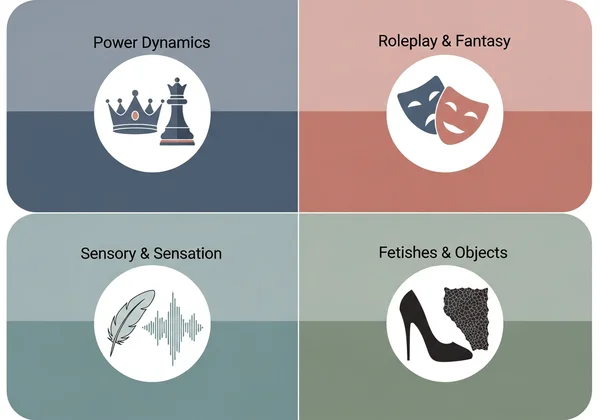
A Comprehensive List of Kinks, Grouped by Category
Now that we've covered the fundamentals, let's explore the vast world of kinks. Remember, this list of kinks is not exhaustive, nor is it a checklist to complete. It's a map to help you identify areas that might spark your curiosity. Many of these can overlap, and your interests may be a unique combination of several.
Power Dynamics & BDSM
This is one of the most well-known categories of kink. BDSM is an acronym that stands for Bondage & Discipline, Dominance & Submission, Sadism & Masochism. It revolves around consensual exchanges of power.
- Dominance & Submission (D/s): One partner takes a leading, authoritative role (Dominant) while the other takes a more passive or obedient role (submissive).
- Bondage: Using restraints like ropes, cuffs, or ties for pleasure and a sense of powerlessness.
- Sadism & Masochism (S&M): Deriving pleasure from consensually giving (sadism) or receiving (masochism) pain or psychological humiliation.
Roleplay & Fantasy Scenarios
This category focuses on acting out specific scenes or embodying different personas. It's about the psychological thrill of the fantasy.
- Age Play: Consensually acting out roles of different ages (e.g., caregiver/little). This is about mindset, not actual age differences.
- Medical Play: Scenarios involving doctors, nurses, and patients.
- Animal Play (Pet Play): Embodying the mindset and mannerisms of an animal, often within a D/s dynamic.
Sensory & Sensation Play
These kinks focus on heightening or altering one or more of the five senses.
- Temperature Play: Using hot (wax) or cold (ice) objects on the skin.
- Impact Play: Consensual spanking, flogging, or paddling.
- Sensory Deprivation: Using blindfolds, earplugs, or gags to enhance other senses.
Fetishes & Object Focus
As discussed earlier, fetishes are centered on specific objects, materials, or non-genital body parts.
- Foot Fetish (Podophilia): Arousal from feet.
- Clothing/Material Fetishes: Strong attraction to specific materials like latex, leather, or uniforms.
- Exhibitionism & Voyeurism: The thrill of being watched or watching others in a consensual context.
Actionable Checklist: Your Personal Curiosity Meter
As you read the list above, use this mental checklist for each category to gauge your interest. This is a simple, private exercise.
- Curious: "This sounds interesting, I'd like to learn more."
- Maybe: "I'm not sure, but I'm not opposed to the idea."
- Not for Me: "This doesn't resonate with me right now."
- Experienced: "I've tried this and enjoyed it."
This simple act of reflection is the first step toward understanding your unique profile of desire.
Putting Knowledge into Action: A Tool for Self-Discovery
After reviewing such a diverse list of kinks, it's natural to feel a mix of excitement, curiosity, and perhaps a little overwhelm. You might be wondering, "What does all this information mean for me personally?" Reading about concepts is one thing, but applying them to your own inner world is the next, more personal step.
From Information to Insight: Making Sense of the List
A long list provides possibilities, but it doesn't provide personal insight. The real journey begins when you start to connect these ideas to your own feelings, fantasies, and desires. Which categories sparked your interest? Which ones felt neutral? Understanding these patterns is key to self-discovery. This is where moving from passive reading to active reflection becomes incredibly valuable.
Introducing Our KinkTest: Your Personal Compass for Exploration
To help you on this journey, we've developed an educational tool designed for self-reflection. The KinkTest is a structured questionnaire that guides you through various themes and concepts related to different types of kinks. It is not a diagnostic test or a label-maker. Instead, think of it as a private, non-judgmental compass that helps you organize your thoughts and identify potential areas of interest in a safe, structured way.
How This Educational Tool Can Guide Your Reflection
By answering a series of carefully designed questions, the tool can help you:
- Identify Patterns: See which themes consistently resonate with you.
- Gain Clarity: Put words to feelings or fantasies you may not have understood before.
- Create a Starting Point: Get personalized insights that can serve as a foundation for further research or conversations with a partner.
If you're ready to turn information into personal insight, you can explore the Kink Test here. Your responses are private, and the goal is simply to support your self-discovery journey.
Disclaimer: This tool is for educational and self-exploratory purposes only. It is not a diagnostic tool and does not replace professional advice from a certified therapist or medical professional.

Safe Exploration: Your Guide to Consent, Communication, and Boundaries
Exploring any type of kink is only rewarding when it's done safely and consensually. Safety isn't just about physical well-being; it's also about emotional and psychological security for everyone involved. Establishing clear guidelines before you begin is non-negotiable.
The Cornerstones: Consent, Communication, and Aftercare
These three pillars are the foundation of any healthy kink practice.
- Consent: This must be enthusiastic, ongoing, and can be withdrawn at any time. It’s a clear "yes," not the absence of a "no." Everyone involved must agree to the activities beforehand.
- Communication: Openly discuss desires, boundaries, and limits before, during, and after a scene. This includes establishing a "safeword"—a word or signal that immediately stops all activity, no questions asked.
- Aftercare: This is the process of emotionally and physically reconnecting after an intense scene. It can involve cuddling, talking, sharing a snack, or simply being present for each other to ensure everyone feels safe and cared for.
How to Start the Conversation with a Partner
Bringing up the topic of kinks can feel vulnerable. Here’s a simple, step-by-step approach to make it easier:
- Choose the Right Time and Place: Find a calm, private moment where you won't be rushed or interrupted.
- Start with "I" Statements: Frame it from your perspective to avoid making your partner feel pressured. For example, "I've been reading about different types of sexual kinks, and I'm curious about..."
- Share Information, Not Demands: Present it as a shared exploration. You could say, "I read an article about sensory play, and I thought it sounded interesting. What do you think?"
- Listen and Validate: Be prepared for any reaction. Your partner's feelings are valid, even if they are different from yours. The goal is to open a dialogue, not to get immediate agreement.
Essential Safety Acronyms: SSC, RACK, and PRICK
The kink community has developed helpful acronyms to remember key safety principles:
- SSC (Safe, Sane, and Consensual): The traditional gold standard. Activities should be physically safe, participants should be of sound mind, and everyone must consent.
- RACK (Risk-Aware Consensual Kink): A newer model acknowledging that not all kink is 100% "safe." It emphasizes that participants understand and accept the potential risks involved.
- PRICK (Personal Responsibility, Informed Consensual Kink): This places an emphasis on individuals being responsible for their own safety and making informed decisions.
Embracing Your Unique Journey of Self-Discovery
Exploring the different types of kinks is ultimately a journey back to yourself. It's about understanding your desires, honoring your curiosity, and learning how to express your authentic self in a way that feels empowering and joyful. Remember that your interests are valid, and sexuality is a spectrum. As long as your exploration is guided by consent, communication, and respect, there is no "right" or "wrong" way to be. This guide is a starting point, and the path forward is uniquely yours to create.
Frequently Asked Questions
Can a person's kinks change over time?
Yes, absolutely. Sexuality is fluid, not fixed. Your interests can evolve with new experiences, different relationships, or simply as you grow and change as a person. What excites you today might be different a year from now, and that is a perfectly normal part of the journey.
How can you explore kinks safely on your own?
Solo exploration is a great way to learn about yourself without pressure. You can start with fantasy, read erotic stories, or watch media that aligns with your interests. If you decide to use toys or props, always research their proper use and safety precautions first.
What is the difference between a kink and a paraphilia?
This is an important distinction. Kinks are consensual, non-harmful sexual interests. A paraphilic disorder, as defined in clinical psychology, involves intense sexual arousal to atypical objects or scenarios that causes significant personal distress, functional impairment, or involves harm to non-consenting individuals. Consensual kink is not a disorder.
What should you do if your partner is not interested in your kink?
The first step is open and respectful communication without judgment. Listen to their perspective and concerns. It's possible to find a compromise, such as incorporating lighter elements of your kink. If not, you might explore satisfying that interest through solo activities or fantasy. The key is mutual respect for each other's boundaries.
What are some common misconceptions about kinks?
A few common myths include that kink is always about pain, that it stems from past trauma, or that it's only for certain "types" of people. In reality, kink is incredibly diverse, often focused on psychological pleasure over pain, and is practiced by people from all walks of life.