Bondage Kink Explained – A Complete Guide to Safe Exploration
Maybe you have heard friends casually mention bondage. Perhaps a scene in a show sparked curiosity you were not expecting. Or you simply found yourself wondering, "What exactly is a bondage kink, and could it be something I enjoy?" You are not alone — bondage is one of the most widely explored kinks in the world, and interest in it continues to grow. This guide breaks down what bondage kink really means, why it appeals to so many people, and how to explore it safely. Along the way, you will find practical checklists, common mistakes to sidestep, and a clear framework for communicating with a partner. If you want to start by understanding your own desires first, you can explore the kink test for a private, judgment-free starting point.
What Does Bondage Kink Actually Mean?
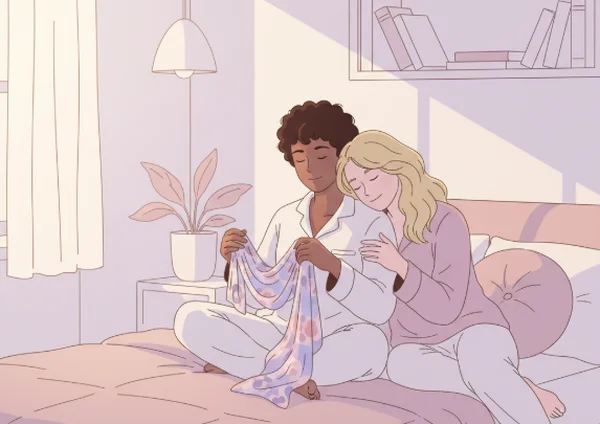
Bondage kink refers to the consensual practice of restraining or being restrained for erotic pleasure, emotional intensity, or creative expression. It is the "B" in BDSM — which stands for Bondage and Discipline, Dominance and Submission, Sadism and Masochism.
However, bondage does not require the full BDSM spectrum. Many people enjoy bondage as a standalone activity, separate from pain play or strict power hierarchies. At its simplest, bondage can mean using a soft scarf to tie a partner's wrists. At its most elaborate, it can involve intricate Japanese rope art known as Shibari.
The core appeal often centers on three elements:
- Surrender of control. The restrained person consensually lets go, which can feel deeply freeing.
- Heightened sensation. When movement is limited, other senses — touch, sound, anticipation — tend to become more vivid.
- Trust and connection. Bondage requires vulnerability, and that vulnerability can strengthen emotional bonds between partners.
Whether you identify with the kink and bondage lifestyle or simply feel curious, understanding the meaning behind it is the first step toward informed exploration.
Why Do People Enjoy Bondage Kink?
The psychology behind bondage kink is surprisingly well-documented. Researchers and sexual health professionals highlight several reasons people are attracted to this form of play.
The Power Dynamic Appeal
Bondage creates a clear yet consensual power exchange. One partner takes a dominant role, while the other embraces a submissive position. For many, this dynamic offers relief from everyday decision-making. If you spend your days making choices and managing responsibilities, temporarily handing control to a trusted partner can feel like a mental vacation.
Sensory Intensification
When your body is restrained, your brain compensates by amplifying your remaining senses. Touch may feel electric. Sounds may seem closer. Even the anticipation of what might happen next becomes a form of stimulation. This sensory intensification is a major reason bondage kink appeals to people across all experience levels.
Emotional Vulnerability and Intimacy
Allowing someone to restrain you requires genuine trust. In return, the person doing the restraining takes on a caring, protective responsibility. This exchange of vulnerability often deepens emotional intimacy in ways that surprise even long-term couples.
Creative and Aesthetic Expression
Some people are drawn to bondage for its artistry. Rope bondage traditions like Shibari treat the human body as a canvas, producing visually striking patterns. For these practitioners, bondage is equal parts art and eroticism.
What Are the Different Types of Bondage?
Bondage is not a single activity — it is a broad category with many variations. Understanding the different types helps you identify what might interest you.
Rope Bondage
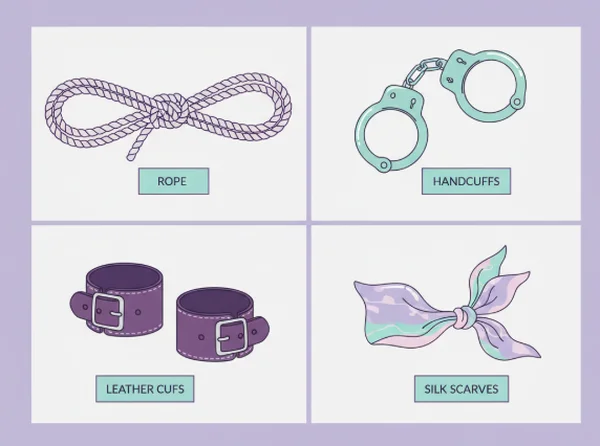
This involves using soft rope — typically cotton, jute, or hemp — to create ties and patterns around the body. Rope bondage ranges from simple wrist bindings to full-body harnesses. Shibari, the Japanese art of rope tying, produces elaborate geometric patterns that are both functional and visually beautiful.
Restraint-Based Bondage
This includes handcuffs, leather cuffs, ankle restraints, spreader bars, and similar devices. These tools are popular with beginners because they are straightforward to use and easy to release quickly.
Sensory Bondage
Blindfolds, gags, and hoods fall into this category. While they do not restrict physical movement in the traditional sense, they eliminate certain senses, which amplifies the bondage experience.
Device Bondage
Device bondage kink uses specialized furniture or equipment — such as bondage benches, cages, stocks, or suspension frames. This category tends to attract more experienced practitioners who have already explored simpler forms.
Light or Casual Bondage
Many couples explore bondage kink without any specialized gear at all. A silk tie, a bathrobe belt, or simply being held down by a partner's hands can create a bondage dynamic. This entry point works well for beginners.
How to Start Bondage for the First Time
Exploring bondage for the first time can feel both exciting and nerve-wracking. The key is starting small, communicating openly, and building confidence gradually. Here is a practical step-by-step framework.
Step 1 – Have a Conversation First
Before any physical exploration, talk with your partner. Discuss curiosity levels, boundaries, and hard limits. Be specific: What appeals to you? What makes you uncomfortable? This conversation is not a mood-killer — it is a trust-builder.
Step 2 – Establish a Safe Word
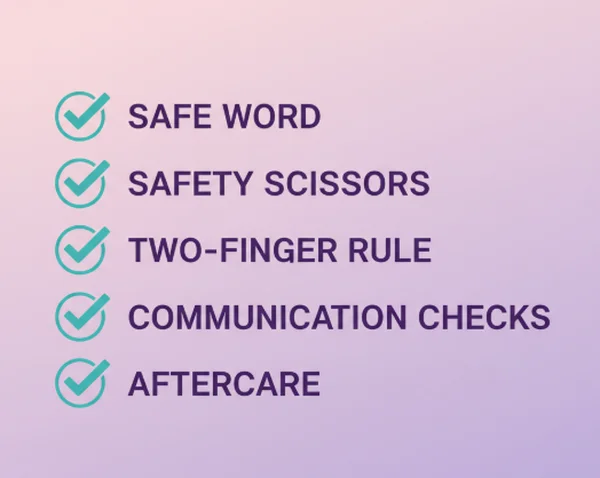
A safe word is a pre-agreed term that either partner can use to immediately stop all activity. Choose something unrelated to the scene (many couples use the traffic-light system: "green" means continue, "yellow" means slow down, "red" means stop entirely).
Step 3 – Start Simple
Begin with beginner-friendly restraints like soft scarves, silk ties, or Velcro cuffs. You do not need an elaborate setup for your first experience. Even something as basic as one partner holding the other's wrists above their head counts as bondage play.
Step 4 – Focus on Comfort and Safety
Keep safety scissors nearby if using rope. Never restrain someone around the neck. Ensure you can fit two fingers between restraints and skin to maintain circulation. Check in frequently — not just with the safe word but with genuine questions about how your partner feels.
Step 5 – Practice Aftercare
Aftercare is the process of reconnecting after a bondage scene. This might include cuddling, sharing water, discussing what felt good, and talking through any unexpected emotions. Aftercare is not optional — it is essential for both partners' emotional well-being.
Common Bondage Mistakes and How to Avoid Them
Even with the best intentions, beginners often stumble into avoidable errors. Recognizing these pitfalls ahead of time makes your experience safer and more enjoyable.
- Skipping the conversation. Jumping into bondage without discussing boundaries can erode trust instead of building it. Always talk first.
- Using unsafe materials. Zip ties, thin cords, or anything that tightens under pressure can cut circulation or cause injury. Stick to materials designed for body-safe use.
- Ignoring nerve pathways. The insides of wrists, the neck area, and the backs of knees contain vulnerable nerves and blood vessels. Avoid placing tight restraints on these areas.
- Forgetting aftercare. Bondage can release intense emotions. Skipping aftercare may leave either partner feeling disconnected or emotionally raw.
- Moving too fast. Escalating to advanced techniques like suspension or device bondage before mastering basics puts both partners at risk. Progress gradually.
- Assuming consent is permanent. Consent must be ongoing. A "yes" at the start does not cover everything that follows. Check in regularly.
How to Talk to Your Partner About Bondage
Bringing up bondage with a partner can feel vulnerable. However, clear communication is the foundation of every healthy bondage kink experience. Here are approaches that work.
Choose the Right Moment
Avoid springing the topic during intimacy. Instead, bring it up in a relaxed, low-pressure setting — during a walk, over coffee, or in a casual conversation about desires. Frame it as curiosity rather than a demand.
Use "I" Statements
Say "I have been curious about trying light bondage" instead of "You should let me tie you up." This centers the conversation on exploration rather than pressure.
Share Resources Together
Watching educational content, reading guides like this one, or even taking an online bondage kink quiz together can normalize the conversation. When both partners learn at the same time, the topic feels less one-sided.
Respect the Response
Your partner may be enthusiastic, hesitant, or not interested at all. Every response is valid. If they need time to think, give it without pressure. Consent and comfort always take priority.
What Makes Bondage Different From Abuse
This is one of the most important distinctions in any kink and bondage discussion. Bondage and abuse may appear similar on the surface to someone unfamiliar with BDSM, but they are fundamentally different.
| Bondage (Consensual) | Abuse (Non-Consensual) |
|---|---|
| Both partners agree before, during, and after | One person controls without the other's agreement |
| Safe words allow instant stopping | No mechanism to stop safely |
| Aftercare follows every scene | No emotional follow-up or concern |
| Built on trust and respect | Built on fear and power imbalance |
| Boundaries are discussed in advance | Boundaries are ignored or punished |
Healthy bondage kink practices are rooted in mutual respect, explicit consent, and open communication. If any of those elements are missing, it is not bondage — it is abuse.
Discover More About Your Bondage Kink Preferences
Understanding what draws you to bondage is a personal journey. Some people are excited by the idea of restraining, while others are more interested in being restrained. Some love the aesthetic of rope patterns. Others prefer the simplicity of being blindfolded.
A structured self-reflection can help you identify patterns in your desires without pressure or judgment. This is not about labeling yourself — it is about gaining clarity so you can communicate more effectively with a partner and explore with confidence.
If you are ready to take a closer look, try the Kink Test to explore your preferences in a safe, private, and non-judgmental space. The results can serve as a helpful conversation starter, whether you share them with a partner or simply use them for personal reflection.
This guide is for educational and self-exploration purposes only. It does not constitute professional advice. If you have concerns about your sexual health or relationship dynamics, consider speaking with a qualified therapist or counselor.
Key Takeaways for Your Bondage Kink Journey
Bondage kink is a widely practiced, consensual form of intimate exploration that centers on trust, communication, and vulnerability. Whether you are a complete beginner or someone who has been curious for a while, here are the essentials to remember:
- Bondage means consensual physical restraint for erotic, emotional, or aesthetic purposes.
- Communication and consent are non-negotiable — before, during, and after every experience.
- Start simple and progress at a pace that feels comfortable for both partners.
- Safety tools like safe words and safety scissors are not optional — they are fundamental.
- Aftercare matters. Emotional reconnection after a scene protects both partners.
- Bondage is only healthy when it is built on mutual respect and enthusiastic consent.
Your desires are worth understanding. And when you are ready, there are safe, private ways to explore your unique kink profile and begin your journey with confidence.
Frequently Asked Questions
What is a bondage kink?
A bondage kink is an attraction to consensual physical restraint during intimate activities. It involves one partner restricting the other's movement using tools like ropes, cuffs, or scarves for erotic pleasure and emotional connection.
Is bondage a common kink?
Yes, bondage is one of the most commonly reported kinks worldwide. Surveys consistently show that a significant percentage of adults have fantasized about or engaged in some form of bondage play.
How do beginners start with bondage safely?
Start by having an open conversation with your partner about boundaries. Choose a safe word, use beginner-friendly restraints like soft scarves, keep safety scissors nearby, and always practice aftercare afterward.
What is the difference between bondage and BDSM?
Bondage is one component of BDSM, specifically the "B." BDSM also includes Discipline, Dominance and Submission, and Sadism and Masochism. You can enjoy bondage without engaging in other BDSM activities.
What does device bondage mean?
Device bondage refers to using specialized equipment like bondage benches, stocks, cages, or suspension frames. It tends to appeal to more experienced practitioners who want to explore beyond basic restraints.
How do you bring up bondage with a partner?
Choose a relaxed, non-intimate moment to express your curiosity. Use "I" statements, share educational resources together, and respect whatever response your partner gives — including the need for time to think.
What safety equipment do you need for bondage?
Essential safety items include safety scissors (for cutting rope in emergencies), body-safe restraints, a pre-agreed safe word, and knowledge of which body areas to avoid restraining, such as the neck and inner wrists.
Can bondage actually improve a relationship?
For many couples, consensual bondage builds trust, deepens communication, and enhances emotional intimacy. The vulnerability involved often strengthens the bond between partners when practiced with respect and care.