Kink Test Results Guide: From Discovery to Real-World Exploration
So, you’ve just taken a kink test and received your results. It’s an exciting moment, full of potential for self-discovery. You might feel a rush of validation, a spark of curiosity, or even a hint of uncertainty. You have this fascinating new data about your desires, but what comes next?
Many people find themselves standing at this threshold without a clear path forward. This comprehensive guide is designed to change that. We'll transform your test results from interesting data points into a practical roadmap for authentic exploration. Whether you're new to this world or looking to deepen your understanding, this action plan will help you navigate your desires with confidence, safety, and self-awareness.
The first step in any journey of discovery is understanding where you stand. If you haven't already, the Kink Test provides a safe, private, and non-judgmental starting point to map out your unique preferences. It’s the foundation upon which your exploration can be built.
Understanding Your Kink Test Results
Your results are just the starting point. The real value comes from interpreting what they mean for you. This isn't about fitting into a neat box. Instead, it's about understanding the nuances of your own unique erotic blueprint. Let's break down how to make sense of the report you see.
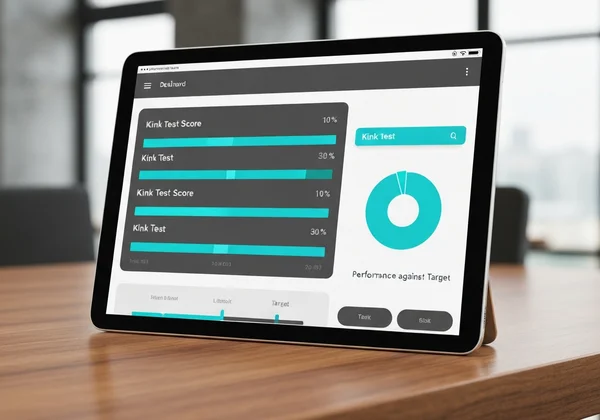
Decoding Your Score Categories
Your results are likely presented across various categories, each with a percentage or score. These scores aren't labels but indicators of your interest level in different dynamics or activities. A high score indicates strong resonance, while a low score might suggest indifference or a boundary.
Think of categories like Dominance, Submission, Rope Play, or Roleplay as different flavors on a menu. Your results show which flavors you might enjoy most. Remember, these are just starting points, not final definitions of who you are.
Dominance vs. Submission: What Your Scores Mean
Two of the most common categories you'll encounter are Dominance (D-type) and Submission (s-type). A high score in Dominance might suggest you enjoy taking control, making decisions, and guiding experiences. A high score in Submission may indicate you find pleasure in relinquishing control, following directions, and serving a partner.
It's crucial to see these not as opposites but as two sides of a dynamic. Many people have scores in both, highlighting a versatile nature known as being a "Switch." Your scores here provide insight into the power dynamics that you find most appealing.
Beyond Binary: Exploring the Full Spectrum of Your Results
Your desires are likely more complex than just D-type or s-type. Your results will show a spectrum of interests, from creative roles like "Rigger" to playful dynamics like "Pet Play." Don't dismiss lower scores or unexpected high ones.
These results are a snapshot in time. Our desires can evolve as we learn and grow. Use this full spectrum view as an invitation to be curious about all facets of yourself, even the ones that surprise you. Ready to get your own detailed breakdown? Start your test to see where you land on the spectrum.
Preparing for Your Exploration Journey
Before you dive into any new experiences, preparation is key. A thoughtful approach ensures that your journey is safe, consensual, and rewarding. Building a solid foundation of safety and communication allows you to explore with confidence and peace of mind.
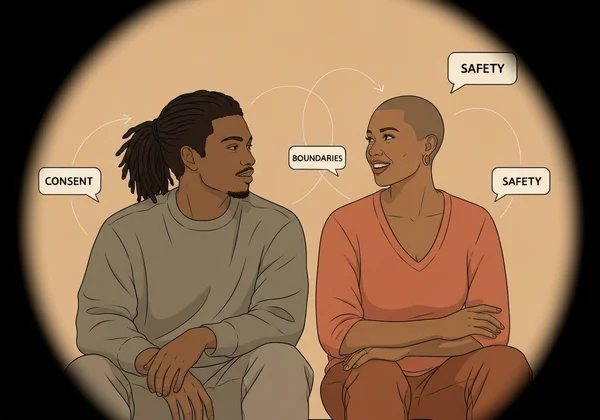
Creating Your Safe Space: Physical and Mental Preparation
A safe space is both physical and mental. Physically, it means choosing a private, comfortable environment where you won't be interrupted. Mentally, it involves being in a positive and curious headspace, free from pressure or external expectations.
Give yourself permission to be a beginner. It’s okay to feel awkward or unsure. The goal is exploration, not perfection. This mindset is your most important tool for a healthy and enjoyable experience.
Essential Communication Tools: Before, During, and After
Clear and open communication is the cornerstone of any safe exploration. Before you begin anything, discuss desires, expectations, and boundaries. During an activity, use a safeword—a pre-agreed word or signal that immediately stops all action, no questions asked.
Afterward, practice 'aftercare.' This involves emotionally and physically reconnecting after an intense scene. It can include cuddling, talking, sharing snacks, or simply being present. This ensures everyone feels valued and cared for.
Setting Personal Boundaries and Comfort Zones
Your boundaries are not negotiable. Before you explore, take time to reflect on what your hard limits (things you will not do) and soft limits (things you might try under certain conditions) are. Write them down if it helps.
Your comfort zone is a great place to start, but growth happens just outside of it. The key is to take small, intentional steps. Clearly communicating your boundaries to a partner is an act of self-respect and builds deep trust.
Step-by-Step Exploration Framework
With a solid foundation of understanding and preparation, you're ready to begin exploring. This phased approach allows you to move at your own pace, ensuring each step is comfortable and consensual before moving to the next.

Phase 1: Solo Exploration and Fantasy Journaling
The safest place to start your exploration is within your own mind. Use your test results as prompts. Write down fantasies or stories related to the kinks that scored highly. What aspects excite you? What scenarios come to mind?
This private journaling helps you understand your desires on a deeper level without any external pressure. It clarifies what you truly want and helps you build the confidence to eventually articulate those desires to others.
Phase 2: Research and Education about Your Specific Interests
Knowledge is power. Dive into learning more about the specific kinks that interest you. Read articles, listen to podcasts, and watch educational content from reputable creators. Understand the common practices, safety considerations, and terminology associated with each interest.
This research phase demystifies the unknown and equips you with the language to discuss your interests accurately. Our platform provides educational resources to help you learn more about the terms in your results.
Phase 3: Low-Risk Physical Experiments and Sensory Play
Once you feel knowledgeable and confident, you can begin low-risk experiments. This could be done solo or with a trusted partner. Focus on sensory play. Explore textures, temperatures, and different types of touch.
For example, if you're curious about light bondage, try using a silk scarf to gently tie your own wrists or a partner's. If you scored high on sensation play, explore using feathers, ice cubes, or a soft flogger. Keep the stakes low and the focus on discovery.
Phase 4: Partnered Exploration and Communication
When you feel ready to explore with a partner, communication becomes paramount. Share your test results and discuss what you’ve learned through your solo exploration and research. Use this as a tool to open a conversation, not as a demand.
Start with small, negotiated scenes. Discuss limits, safewords, and aftercare plans beforehand. This collaborative approach builds trust and ensures that the experience is mutually enjoyable and respectful for everyone involved.
Common Pitfalls and How to Avoid Them
As with any new journey, there are common challenges you might face. Being aware of them ahead of time can help you navigate your exploration more smoothly and safely, ensuring it remains a positive and empowering experience.
The Pressure to Perform: Managing Expectations
When you're trying something new, it’s easy to feel pressure to "get it right." Remember, there is no right way to be kinky. The goal is authentic expression and mutual pleasure, not a performance.
Release the expectation that every experience will be perfect. Some things won't work, and that's okay. Treat every attempt as a learning opportunity, and celebrate the courage it took to try.
Rushing Your Progress: The Value of Patience
It can be tempting to jump into advanced activities, but patience is a virtue in kink exploration. Rushing past foundational steps like communication, research, and boundary setting can lead to misunderstandings or unsafe situations.
Honor your own pace. If you feel hesitant, take a step back. The journey of self-discovery is a marathon, not a sprint. Enjoy each stage of the process without feeling the need to hurry to a finish line.
Neglecting Aftercare: Emotional and Physical Recovery
Aftercare is one of the most important yet most frequently overlooked aspects of kink. Intense scenes can bring up strong emotions or leave you feeling physically and mentally drained. Aftercare is the process of gently returning to a normal state.
Always plan for aftercare, even after solo play. It can be as simple as drinking water, wrapping yourself in a warm blanket, or listening to calming music. For partnered play, it’s a crucial time to reconnect, check in emotionally, and reaffirm your care for one another.
Embracing Your Unique Erotic Blueprint
Your kink test results offer more than just numbers—they're a roadmap to deeper self-discovery and a more authentic intimate life. They offer a personalized blueprint of your desires, providing a starting point for a journey that can lead to greater self-acceptance, improved communication, and a richer, more fulfilling intimate life.

By understanding your results, preparing thoughtfully, and exploring step-by-step, you can navigate this path with confidence. Remember to be patient with yourself, prioritize safety and communication, and most importantly, embrace the unique and wonderful person you are.
Ready to begin your exploration and discover your own erotic blueprint? Visit KinkTest.net to take your comprehensive test today and receive the personalized results that will guide your journey.
Kink Test Results and Exploration
How often should I retake my Kink Test to track my evolving preferences?
It's a great idea to retake the test every six months to a year, or whenever you feel you've undergone significant personal growth. Our desires can change over time as we have new experiences and learn more about ourselves. Viewing the kink test as a periodic check-in can be a wonderful tool for self-awareness.
What if my test results reveal interests I feel uncomfortable about?
First, remember that having a fantasy or interest is completely different from acting on it. It’s normal to be surprised by some of your results. Use this as an opportunity for non-judgmental curiosity. You don't have to act on anything that makes you uncomfortable. The goal is awareness, not pressure.
How can I discuss my test results with a partner who is vanilla or skeptical?
Approach the conversation with openness and no expectations. Frame it as something you did to learn more about yourself and that you'd like to share. You could say, "I took this interesting quiz to understand my desires better, and I'd love to talk about it with you." Inviting them to take the test too can make it a shared, neutral activity.
Are there resources for further learning about specific kinks identified in my results?
Absolutely. A great first step is to explore the educational content and FAQs on the site where you took the test. From there, you can find reputable blogs, educational podcasts, and community forums dedicated to safe and ethical kink education. Always prioritize sources that emphasize consent, communication, and safety. Your results from the online test can give you the right keywords to start your search.