Taboo Kinks Explained: Psychology, Examples, and Safety Guide
You might feel isolated, confused, or even a bit overwhelmed by the shadows in your own imagination. It is a common human experience to harbor desires that seem to clash with your everyday personality. You are likely searching for taboo kinks because a part of you is whispering questions you are afraid to ask aloud.
Is this normal? Does thinking about this make me dangerous? Why does the forbidden feel so electric?
Rest assured, possessing these fantasies does not mean you are "broken." In fact, exploring taboo kinks within a safe, consensual framework is a recognized path to deeper self-awareness. This guide will help you navigate the psychology behind these desires, distinguish harmless fantasy from reality, and provide a roadmap for safe exploration. If you are ready to stop guessing and start understanding, you can begin by taking a taboo kink test.

What Defines a Taboo Kink in Modern Society?
Before diving into specific acts, it is crucial to clarify what we actually mean when we discuss taboo kinks. The term "taboo" is socially constructed; it shifts depending on culture, time period, and community. Generally, a taboo kink involves eroticizing concepts that society deems inappropriate, forbidden, or shameful.
However, having these interests is often very different from the stigma attached to them. Understanding the definitions helps lower the anxiety surrounding them.
Kink vs. Fetish vs. Paraphilia: The Key Differences
Distinctions matter. In the world of psychology and sexology, these terms describe different levels of intensity and necessity.
- Kink: A broad term for unconventional sexual practices or fantasies. It is an "enhancer" to your sex life. You might enjoy taboo kinks like roleplay, but you can still function sexually without them.
- Fetish: A specific object, body part, or scenario that is necessary for sexual arousal. If you require a specific taboo kink to feel any pleasure, it leans more toward a fetish.
- Paraphilia: A clinical term often reserved for intense, recurrent sexual urges that cause distress or involve non-consenting targets. Most consensual taboo kinks do not fall under this pathological category.
Fantasy vs. Reality: The Legal and Ethical Line
This is the most critical concept to grasp. Consenting adults often enjoy taboo kinks precisely because they are not real. The brain can distinguish between a safe, role-played scenario and a dangerous reality.
Enjoying a "heist" movie doesn't mean you want to rob a bank. Similarly, enjoying a fantasy about "breaking the rules" does not mean you want to harm anyone. The thrill often comes from the contrast—knowing you are safe in bed while your mind explores danger.
The Spectrum of Intensity: From Mild Play to Edge Play
Taboo kinks exist on a vast spectrum.
- Mild: Light spanking, verbal teasing, or wearing risqué clothing.
- Moderate: Bondage, clearer power exchange, or roleplaying authority figures.
- Edge Play: Activities that push physical or emotional limits, such as breath play or blood play.
You do not have to go to the extreme to be valid. Most people find their "sweet spot" somewhere in the middle.
The Psychology: Why Are We Drawn to the Forbidden?
Why am I like this? This is the question that keeps many awake at night. You might worry that your interest in taboo kinks stems from a dark place, but the psychological drivers are often surprisingly healthy and common.

The Transgression Theory: Dopamine and Breaking Rules
Human brains are wired to pay attention to broken rules. When you engage in taboo kinks, you are effectively "hacking" your brain's reward system. The feeling of doing something "naughty" or "forbidden" releases a potent cocktail of dopamine and adrenaline.
This is known as the "transgression" element. The anxiety of breaking a social norm, when experienced in a safe environment, converts into intense sexual excitement. It is not necessarily about the act itself, but the thrill of crossing a line.
Reclaiming Power: The Nuance of Trauma Re-enactment
A common myth is that all taboo kinks are direct results of unresolved trauma. While this is not true for everyone, some individuals do use kink as a way to process past experiences.
This is often called "re-enactment." By actively choosing to engage in a scenario that mimics a scary situation—but this time with full control, a safeword, and a trusted partner—you can rewrite the narrative. You change from a victim to a participant who holds the power to stop the scene at any moment.
Biological Factors: High Sensation Seekers
Some people are simply born as "High Sensation Seekers." Just as some people love skydiving or spicy food, others require higher levels of stimulation to feel sexual arousal.
For these individuals, "vanilla" sex might feel under-stimulating. Taboo kinks provide the necessary intensity—mental, emotional, or physical—to fully engage their nervous system. It is a biological trait, not a moral failing.
Bridge: Understanding Your Unique Profile
Reading about psychology is helpful, but seeing how it applies to you is transformative.
You might see yourself in the "High Sensation Seeker" description, or perhaps the "Transgression" theory resonates more. Most people are a complex mix of several archetypes.
If you are currently thinking, "I'm still not sure where I fit or what this says about me," there is a low-pressure way to find out. You don't need to commit to acting anything out yet. You can simply explore the data.
Use our anonymous assessment to map your desires against common psychological drivers. It’s private, free, and designed for self-discovery.
7 Common Taboo Kinks and Their Underlying Drivers
When you search for a taboo kinks list, you will find hundreds of variations. However, most stem from a few core psychological desires. Here are seven of the most common categories, explained not just by what they are, but why they are appealing.
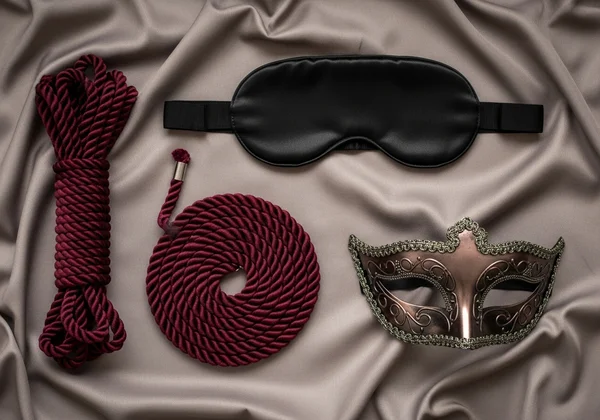
1. Consensual Non-Consent (CNC): Surrendering Control
What it is: Roleplaying scenarios where one partner pretends to force the other, or where consent is given in advance to be "ignored" during the scene.
The Driver: Paradoxically, this is often about relief from responsibility. For someone who has to be in charge all day (a CEO, a busy parent), the fantasy of having no choice allows them to completely let go and relax their mental load.
2. Age Play & Regression: Seeking Comfort
What it is: Adults roleplaying as younger versions of themselves (Littles) or acting as caregivers (Caregivers).
The Driver: This taboo kink is rarely sexual in the traditional sense. It is usually about comfort, nurturing, and escaping the stresses of adult life to return to a state of innocence and unconditional care.
3. Taboo Roleplay: The Forbidden Fruit Effect
What it is: Enacting scenarios involving "forbidden" partners, such as teacher/student, boss/employee, or faux-family dynamics.
The Driver: This relies heavily on the Transgression Theory. The participants are usually turned on by the wrongness of the dynamic, not the actual people involved. It is a safe way to explore the feeling of breaking a massive social rule.
4. Somnophilia: Vulnerability and Trust
What it is: Being touched or aroused while asleep (or pretending to be asleep).
The Driver: This is the ultimate expression of trust. It eroticizes total vulnerability. The "sleeping" partner enjoys the feeling of being desired without having to perform or reciprocate immediately.
5. Primal Play: Tapping into Raw Instincts
What it is: Abandoning human language and social etiquette to act on animalistic instincts—hunting, wrestling, biting, or growling.
The Driver: Modern life is overly civilized and restrictive. Primal play allows people to disconnect from their intellect and reconnect with their bodies. It is a cathartic release of pent-up energy and aggression.
6. Pain Play: Endorphins and Intensity
What it is: The erotic use of impact (spanking, flogging) or sensation (wax, ice).
The Driver: Pain and pleasure are processed in similar areas of the brain. When experienced voluntarily, pain triggers a massive release of endorphins. This creates a "sub-space" or "dom-space"—a trance-like state of euphoria.
7. Exhibitionism/Voyeurism: The Thrill of Being Seen
What it is: Watching others (with consent) or being watched during sexual acts.
The Driver: This taboo kink validates desirability. Being watched confirms that you are sexually captivating. Conversely, watching others satisfies a deep curiosity about the private lives of others, breaking the ultimate privacy barrier.
Essential Safety Frameworks for Taboo Play
Exploring taboo kinks requires more than just enthusiasm; it requires a safety net. Because these acts involve intensity and vulnerability, you need a robust framework to prevent physical or emotional harm.
RACK vs. SSC: Understanding Risk Models
Two major philosophies govern the kink community.
- SSC (Safe, Sane, Consensual): The older standard. It emphasizes that everything must be physically safe and rational.
- RACK (Risk-Aware Consensual Kink): The modern standard. It acknowledges that some activities have inherent risks. RACK implies that participants know the risks, discuss them, and accept them to achieve pleasure.
Establishing Hard Limits and Safewords
You cannot explore the dark without a flashlight.
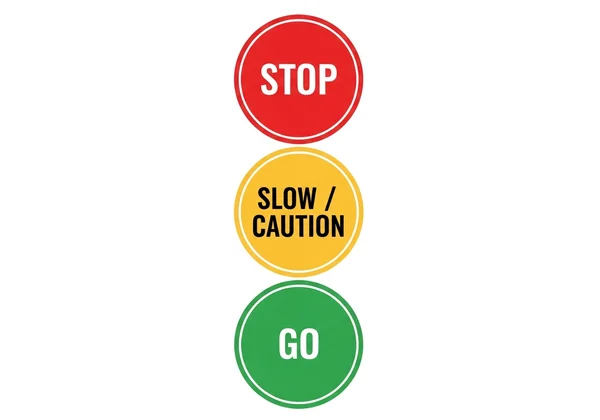
- Hard Limits: Things that are absolutely off the table (e.g., "No marks on the face").
- Safewords: A signal to stop everything instantly. "Red" (Stop) and "Yellow" (Slow down) are universal standards.
- Checklist for Negotiation:
- What are my hard limits?
- What are my soft limits (things I might try later)?
- What specific acts do I want to try today?
- What is our safeword?
The Critical Role of Aftercare
After a scene involving taboo kinks, your brain chemistry crashes as the adrenaline wears off. This is called "the drop."
Aftercare is the practice of nurturing your partner immediately after the act. It might involve cuddling, hydration, blankets, or sweet snacks. It reconnects you to reality and reassures both partners that the relationship is safe and loving, regardless of the intense fantasy you just enacted.
Communication: Discussing Taboo Kinks in Relationships
You have identified a desire, but how do you share it? The fear of rejection is potent. You might worry your partner will look at you differently.
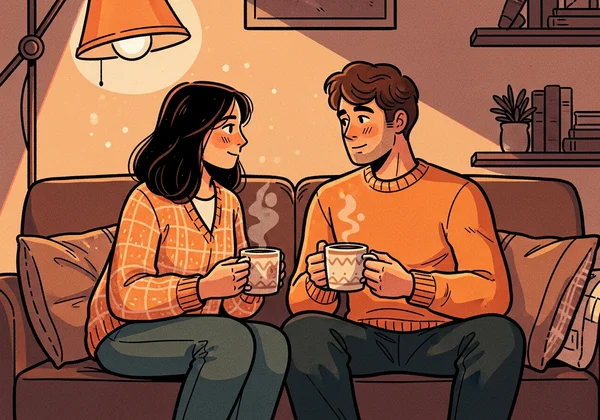
How to Bring Up a Fantasy Safely
Do not drop a bombshell during a fight or a busy morning.
- Choose a neutral time: Not during sex, and not when stressed.
- Use the "Sandwich" method: Start with affirmation ("I love our sex life"), introduce the idea as a curiosity, and end with reassurance.
- Frame it as a question: Instead of "I want to do this," ask "Have you ever fantasized about X?"
Handling Rejection or Discomfort
Your partner might say no. That is their right.
If they react with confusion, explain the feeling rather than the act. Instead of "I want you to tie me up," try "Sometimes I feel so responsible for everything, I just want to feel helpless for ten minutes." If it is a hard no, respect it gracefully. Pressuring a partner violates the core tenet of kink: consent.
Negotiating a Middle Ground
Often, you can find a compromise.
- Partner: "I don't want to hit you."
- You: "I crave the intensity. Could we try holding me down firmly instead?"
There is almost always a "lite" version of taboo kinks that can satisfy the psychological urge without crossing hard boundaries.
Embracing Your Authentic Self
Shame is the enemy of pleasure. By keeping your taboo kinks locked in the dark, you allow them to grow into sources of anxiety rather than sources of joy. Remember, your thoughts are your own private garden. You are allowed to cultivate whatever grows there.
Understanding the why—the psychology, the biology, and the emotional drivers—strips away the fear. You are not "weird." You are complex. Whether you choose to act on these desires or simply enjoy them as fantasies, accepting them is the first step toward a more integrated self.
If you are ready to peel back the layers and see exactly where your interests lie on the spectrum, take the next step. Start Your Free Kink Discovery Test
Frequently Asked Questions
Is having a taboo kink a sign of mental illness?
No. The American Psychiatric Association differentiates between paraphilias, which cause distress or harm, and atypical sexual interests. Having taboo kinks is considered a normal variation of human sexuality, provided it is consensual and causes no distress.
Can I have a kink in fantasy but hate it in real life?
Absolutely. This is extremely common. Many people fantasize about scenarios (like non-consent) that would be terrifying and traumatic in reality. The brain enjoys the safety of the fantasy, not the reality of the danger.
How can I explore my boundaries without a partner?
You can explore solo through erotica, writing, or self-reflection. Understanding your own mind is safe exploration. Tools like personality quizzes can also help you categorize your feelings without involving another person.
What if my test results shock me?
Surprise is part of the process. Sometimes we repress desires so deeply that seeing them in black and white feels jarring. Take your time. A test result is a mirror, not a mandate. You don't have to act on anything you aren't ready for.
Is Consensual Non-Consent (CNC) dangerous?
Any sexual act carries risk, but CNC performed with strict safety protocols (RACK), safewords, and trust is widely practiced safely. The danger lies in practicing without negotiation or with untrustworthy partners. Education is your best defense.