What Is an Experimentalist Kink? Embracing Curiosity in Intimacy
When it comes to human intimacy, curiosity is a natural compass. If you find yourself drawn to new experiences, alternative relationship dynamics, or playful scenarios without being tied to a single, lifelong fixation, you might be exploring an experimentalist kink. It can feel confusing to navigate these feelings alone, especially when society often pushes intimacy into rigid, predictable boxes. This article provides a supportive psychological framework to help you understand what it means to carry an open, experimental mindset into your private life. We will unpack how this curiosity functions as a fluid spectrum, offer practical communication steps to share your thoughts with a partner, and provide an essential safety checklist to ensure every new step is rooted in mutual respect. To gain more structured clarity about your personal preferences, you can try the kink test online as a private starting point for self-discovery.

Defining the Experimentalist Kink: More Than Just Curiosity
An experimentalist kink describes a distinct, highly fluid approach to intimacy where an individual prioritizes novelty, variety, and the ongoing exploration of alternative desires. Unlike traditional preferences that focus on a fixed set of actions, this mindset treats pleasure as an ever-evolving journey. An intimacy experimentalist enjoys stepping outside conventional boundaries, but they rarely anchor their entire identity to just one specific practice.
The Core Signs of an Intimacy Experimentalist
How do you know if you possess an experimentalist personality type? People who fit this framework usually notice several recurring patterns in their intimate thoughts and desires. Consider whether you experience these traits:
- You feel a strong sense of sexual curiosity toward diverse topics, such as roleplay, sensory deprivation, or power dynamics, without needing to commit to them permanently.
- You find that your fantasies shift over time, depending on your mood, your partner, or your personal growth.
- The act of trying something new is often more exciting to you than the specific activity itself.
- You value open-minded exploration and feel restricted when intimacy becomes entirely repetitive or routine.
Kink vs. Fetish: Understanding the Fluidity of Desire
To clarify the experimentalist kink meaning, we must distinguish between a kink and a fetish. In relationship psychology, a kink refers to a non-traditional preference that enhances an individual's intimate life. It remains flexible and highly adaptable. In contrast, a fetish typically involves a specific, unchanging object, body part, or scenario that is necessary for arousal.
An experimentalist focuses heavily on the kink side of this spectrum. For example, an individual with a specific fetish might always require leather gloves to feel satisfied. An experimentalist, however, might want to try leather gloves this week, explore mild bondage next month, and return to standard intimacy afterward. This inherent flexibility means your desires are not a rigid condition, but rather a dynamic expression of your personal curiosity.
The Psychology Behind the Spectrum: Is It Normal to Be Curious?
It is entirely normal to possess a deep sense of curiosity about non-traditional intimacy, even if society occasionally treats alternative desires with hesitation. Modern psychological research shows that human desire exists on a broad, multi-dimensional continuum rather than a simple binary switch. Within the experimental psychology of kinks, researchers view the drive for novelty as a healthy personality trait closely linked to high levels of openness to experience.
Insights from the Experimental Psychology of Kinks
Psychological studies indicate that exploring new facets of intimacy can significantly reduce daily stress, build personal resilience, and foster deep feelings of vulnerability. When you allow yourself to think about alternative concepts, your brain processes this curiosity as a form of creative problem-solving and self-expression. Experiencing these thoughts does not mean something is missing from your life. Instead, it demonstrates that your mind views intimacy as a rich space for personal learning and emotional expansion.
The Curiosity Spectrum: Light Exploration to Deep Practice
To visualize how these desires manifest, psychology often utilizes a comprehensive kink exploration spectrum. This structured framework helps individuals map their feelings without adopting heavy, stigmatizing labels. The spectrum generally flows through three distinct operational phases:
| Phase of Exploration | Core Psychological Focus | Typical Practice Behavior |
|---|---|---|
| Light Exploration | Intellectual curiosity and concept gathering. | Reading educational articles, discussing ideas abstractly, or completing private self-reflection exercises. |
| Moderate Play | Controlled testing of specific boundaries. | Introducing mild sensory elements, incorporating light roleplay, or trying basic, entry-level scenarios. |
| Deep Practice | Immersive adoption of alternative dynamics. | Committing to structured roles, setting up complex scenes, or integrating practices into long-term lifestyles. |
Most individuals with an experimentalist preference move back and forth along this spectrum throughout their adult lives. You might spend months in the light exploration phase, step briefly into moderate play, and then return to a quiet baseline. Embracing this internal ebb and flow can help remove any remaining societal shame around strange kinks. If you want to see where your specific habits land on this continuum, you can use a comprehensive kink test guide to map your current comfort zones in a completely private manner.
Being an Experimentalist in Relationships: How to Talk to Your Partner
Carrying an experimentalist mindset into relationship dynamics requires careful attention, patience, and high-quality communication. When one partner is naturally open to novelty and the other prefers a more traditional routine, misunderstandings can easily arise. The key to success lies in building a shared communication framework where both individuals feel entirely safe, valued, and unpressured.
Practical Icebreakers for Open-Minded Conversations
Opening up about intimate curiosity can feel incredibly vulnerable. To reduce anxiety, avoid introducing specific requests during moments of physical intimacy. Instead, pick a neutral, low-pressure setting, such as a casual walk or a quiet afternoon at home. Use these gentle, copy-pasteable scripts to start a healthy dialogue:
- "I recently read an article about how human curiosity naturally changes over time, and it made me think about our relationship. I would love to talk about how we can discover new ideas together in a way that feels comfortable for both of us."
- "I love the intimacy we share, and I sometimes feel curious about trying mild, playful changes, like using a blindfold or exploring light roleplay. How would you feel about looking into some beginner ideas together?"
- "I want us to have a space where we can share our private thoughts without any judgment. What is something you have ever felt a little curious about, even if we never actually do it?"
Navigating Different Comfort Levels Without Pressure
If your partner responds with hesitation, it is vital to validate their feelings immediately. Never treat a partner's reluctance as a personal rejection or a lack of affection. Intimacy experimentalists must remember that enthusiasm cannot be forced or demanded.
To help navigate these delicate moments, keep these common communication pitfalls in mind:
- Mistake: Pitching a new idea as a prerequisite for your relationship satisfaction.
Fix: Frame the request as an optional, playful extension of your existing, valued connection. - Mistake: Expecting an immediate "yes" right after sharing a fantasy.
Fix: Give your partner several days or weeks to process the concept without bringing it up constantly.
If your partner prefers a slower pace, look for small, compromise-based steps that respect their hard boundaries while satisfying your love for novelty. For instance, you might focus on reading an educational book together or using structured communication cards before attempting any physical changes. By prioritizing mutual emotional safety, you transform the process of discovery into an activity that strengthens your relationship bonds.
Mapping Your Safe Exploration Roadmap: Consent, Boundaries, and Tools
True experimental freedom can only exist when you establish an absolute foundation of psychological and physical safety. In alternative communities, this principle is managed through established frameworks like SSC (Safe, Sane, and Consensual) or RACK (Risk-Aware Consensual Kink). Before you attempt to bring any new fantasy into the real world, you and your partner should build a customized safety roadmap.
The Essential Safety Checklist
To explore safely, every couple should review and implement this foundational four-step checklist:
- Establish Explicit Consent: Both partners must give clear, verbal, and enthusiastic permission before trying any new practice. Consent can be withdrawn at any absolute moment without guilt.
- Define Hard and Soft Boundaries: A hard boundary is an absolute line that neither partner will cross. A soft boundary is an area of curiosity that you are willing to explore with caution and gentle care.
- Select an Unmistakable Safe Word: Traditional words like "stop" can sometimes blend into playful roleplay. Choose a distinct, neutral word (such as "Red" or "Mango") that instantly halts all activity and signals a need for a complete break.
- Prioritize Aftercare: Aftercare involves the emotional and physical care that takes place after an intense or novel experience. This can include cuddling, drinking water, sharing quiet words of reassurance, or simply resting together to ground your emotions.
By approaching your desires through this structured lens, you protect your relationship from unnecessary emotional stress. For many couples, organizing these thoughts out loud can still feel a bit intimidating. If you need a gentle, anonymous way to catalog your preferences before starting a verbal conversation, exploring an anonymous BDSM quiz online can serve as an ideal, zero-pressure tool to clarify your thoughts.

Embracing Your Personal Path of Intimate Discovery
Understanding an experimentalist kink is ultimately an ongoing journey of self-reflection and personal acceptance. Your curiosity is not a problem to solve or a label that dictates your entire life. Instead, it is a healthy reflection of your open mind and your desire for deep engagement. As you explore these concepts, remember to move entirely at your own comfortable pace, allowing your preferences to shift naturally without any external pressure.
Frequently Asked Questions About Experimental Intimacy
What is an experimentalist person?
An experimentalist person is an individual who carries a high degree of openness, flexibility, and curiosity into their daily habits or personal life. In the context of relationships, it defines someone who genuinely enjoys novelty and prefers to explore a variety of alternative preferences rather than sticking to a single, unchanging routine.
What is the difference between a kink and a fetish?
A kink is a non-traditional preference that an individual finds exciting but remains highly flexible and optional within their personal life. A fetish is a specific focus on an object, scenario, or non-sexual body part that is psychologically required for an individual to experience arousal or satisfaction.
What is the most popular kink to try for beginners?
Light sensory deprivation, such as using a soft satin blindfold, is widely considered the most accessible starting point for beginners. Other popular entry-level options include mild power-exchange roleplay, trying out gentle massage techniques, or incorporating creative storytelling into your private time.
How can I find out my personal intimacy score safely?
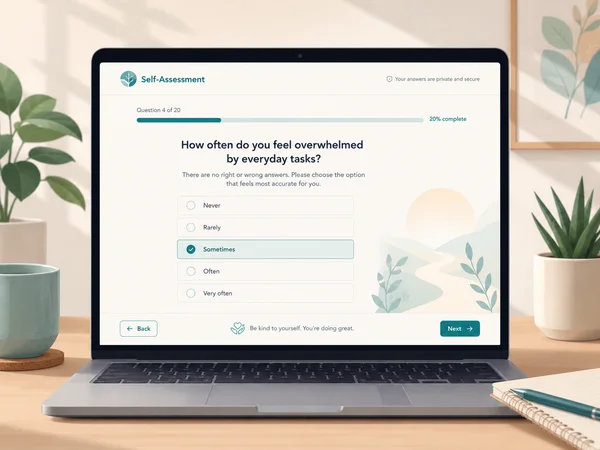
The most reliable method to evaluate your personal boundaries safely is to complete a private, anonymous self-assessment online. By reviewing a structured layout of questions without providing any identifying data, you can easily gather objective insights about your comfort zones. To begin assessing your preferences with complete privacy, you can take a look at the tools available on the Kink Test homepage to create your own conversational roadmap.